
This guide to how to read crochet patterns covers practical choices, techniques and related Yarnivelle resources for your next crochet project.
3 essential tips to remember
- Check whether the pattern uses US or UK crochet terminology.
- Read bracketed repeats before starting the row or round.
- Compare your stitch total with the stated count before moving on.
Your first written crochet pattern might look like a puzzle: ch 13, sc in 2nd ch from hook, repeat from *. Fortunately, once you know a handful of abbreviations and how patterns organize repeats, those lines become a useful set of instructions.
This guide explains how to read crochet patterns in US crochet terminology, with a practice swatch you can make today. Keep it open beside your yarn the next time a pattern looks confusing.
How to read crochet patterns: start with the information before Row 1
Most well-written crochet patterns tell you the skill level, recommended yarn, hook size, finished measurements, gauge, and whether the designer uses US or UK terms. Look for notes about working in rows versus rounds, whether a turning chain counts as a stitch, and any special stitches defined for that particular pattern.
Gauge matters most for fit: A scarf can be forgiving, but a hat, sweater, or bag needs closer attention to size. Make a swatch before beginning anything where finished dimensions matter.
Crochet abbreviations cheat sheet (US)
| Abbreviation | Meaning | What it does |
|---|---|---|
| ch | Chain | Creates a foundation or space |
| sl st | Slip stitch | Joins or moves without adding height |
| sc | Single crochet | Makes a compact short stitch |
| hdc | Half double crochet | Medium-height stitch |
| dc | Double crochet | Taller, more open stitch |
| tr | Treble crochet | Tall stitch |
| st / sts | Stitch / stitches | Number or location of stitches |
| sk | Skip | Leave a stitch unworked |
| rep | Repeat | Do the specified steps again |
| inc | Increase | Add stitches |
| dec | Decrease | Reduce stitches |
| BLO | Back loop only | Work through the back loop |
| rnd | Round | A circular sequence |
The Craft Yarn Council has a more complete abbreviation reference if you need an unfamiliar term.
How to read the asterisk, parentheses and brackets
Asterisk (*): repeat a sequence
A line might say: *sc in next st, inc in next st; rep from * 6 times. That means to do one sc and one increase, then perform that two-step sequence six times total.
Parentheses: stitch group or count
Parentheses can group instructions or show your expected stitch count. For example, (18 sts) at the end of a round usually means you should have 18 stitches after finishing it. A designer may also write (sc, inc) x 6 to group a repeated sequence. Read the pattern’s notes because punctuation varies.
Square brackets: another repeat group
Square brackets often contain a set of stitches to repeat as a unit. They are useful when a pattern includes several repeats within larger repeats.
Read one line, stitch by stitch
Try this small sample, using #4 yarn and a matching hook:
Row 1: Ch 13. Sc in the second ch from the hook and in each remaining ch. (12 sc)
Row 2: Ch 1 and turn. Sc in each of the 12 sts. (12 sc)
Row 3: Ch 1 and turn. Sc in next 2 sts, *ch 1, sk next st, sc in next st; rep from * 4 times, sc in last 2 sts.
Pause and check Row 3 carefully: 2 sc + four groups of (one skipped stitch and one sc) + 2 sc = 12 foundation stitches used. You made eight single crochets plus four chain spaces. This demonstrates why the number of worked stitches and the number of total positions are not always described the same way.
For a less complicated first practice, you can stop after Row 2 and simply make ten more rows of 12 sc.
How to count rows and rounds
In a flat piece, turn your work at the end of each row. Place a marker on the first stitch if edges are hard to identify. In a circular amigurumi project, a pattern may ask you to work in a continuous spiral: do not join each round unless the instructions specifically tell you to. Move your stitch marker to the first stitch of each new round.
Stitch counts prevent problems from spreading. If a round should end at 24 sc and you count 23, find the missing stitch before starting the next round.
US and UK crochet terms are different
The name double crochet does not mean the same thing in the two systems. A US single crochet is called a UK double crochet; a US double crochet is a UK treble crochet. Always check the pattern’s terminology before you begin. Yarnivelle tutorials in this article series use US terms unless stated otherwise.
Common mistakes when reading crochet patterns
- Counting a turning chain incorrectly. Read the pattern notes: some turning chains count as stitches and some don’t.
- Ignoring “in same stitch.” Working several stitches into one stitch is different from working each stitch into consecutive stitches.
- Missing the repeat limit. “Repeat six times” and “repeat until the end” do not mean the same thing.
- Assuming one yarn size fits every pattern. Yarn weight, gauge, and hook size can all change the result.
- Skipping the end-of-round count. A quick count is easier than unraveling five incorrect rounds.
FAQ: Reading crochet patterns
What should I learn first?
Learn how to make a slip knot, chain, single crochet, and slip stitch. Then practice turning, counting stitches, and following a single line of written instructions.
What does “2 sc in next st” mean?
Work two single crochet stitches into the same stitch. This is a common increase in amigurumi and circles.
What is “sc2tog”?
It means single crochet two stitches together, a method of turning two stitches into one decrease. Follow any special decrease instructions your pattern supplies.
Next: Use your new skills to read a short flower or magic-ring tutorial. Reading gets easier when you match each written instruction to an actual stitch on your hook.
Continue learning at Yarnivelle
Once abbreviations make sense, try changing yarn colors in amigurumi. If you are shopping for written instructions, our guide to crochet PDF patterns explains what a digital purchase includes.
- How to Make a Magic Ring in Crochet: Beginner Step-by-Step Guide
- Easy Crochet Flower Pattern for Beginners: Free 5-Petal Tutorial
- 15 Easy Crochet Projects for Beginners You Can Actually Finish
Related crochet PDFs: Ready to practice reading a real amigurumi PDF? plush puppy pattern and yellow-bow doll pattern. These product pages offer digital crochet instructions, not finished handmade items.
Browse more patterns and project inspiration at Yarnivelle.
Explore crochet PDF patterns from Yarnivelle
Ready to put your pattern-reading skills to work? These downloadable crochet projects offer a next step after practicing abbreviations. Every listing is a digital crochet PDF pattern, not a finished crocheted item or supplies.
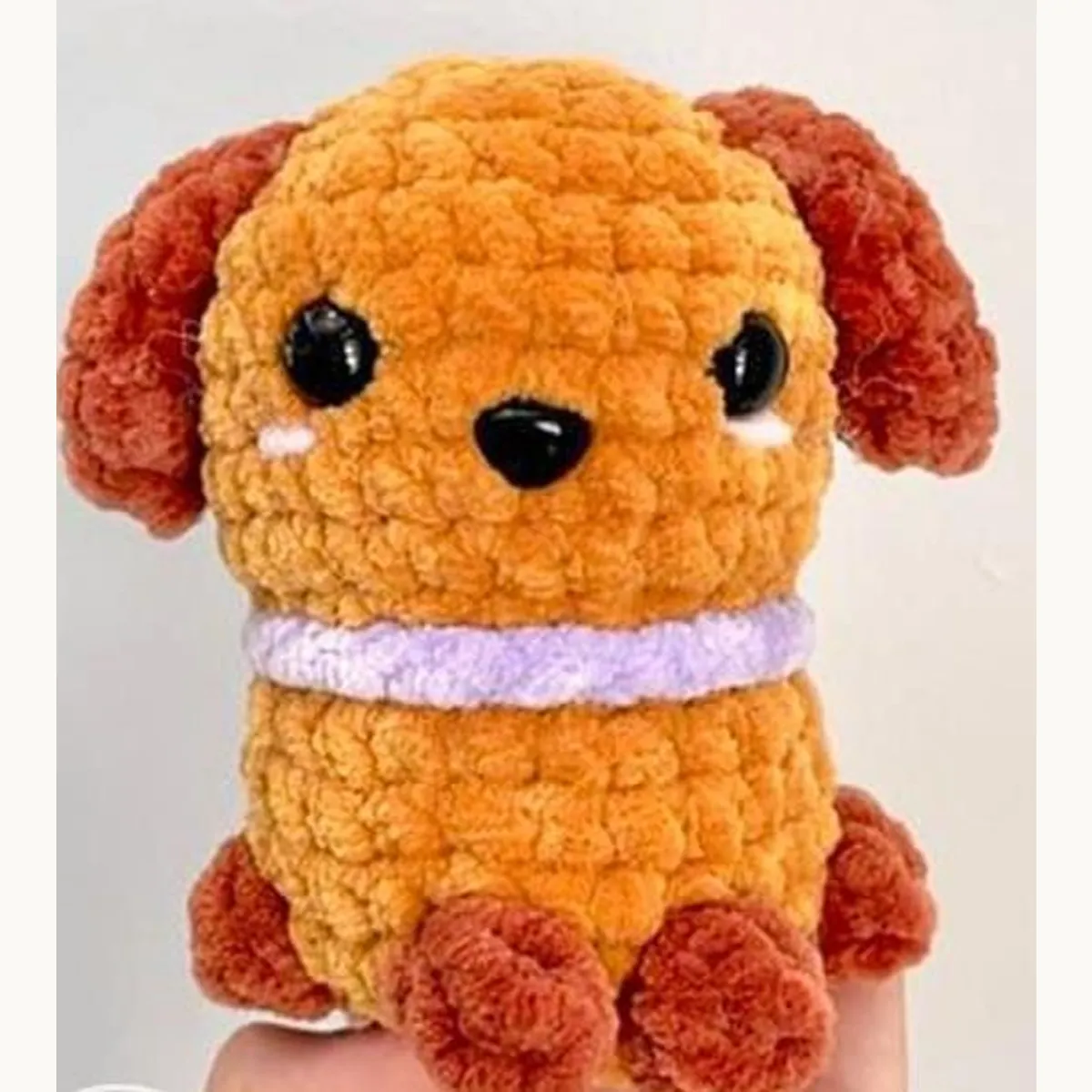

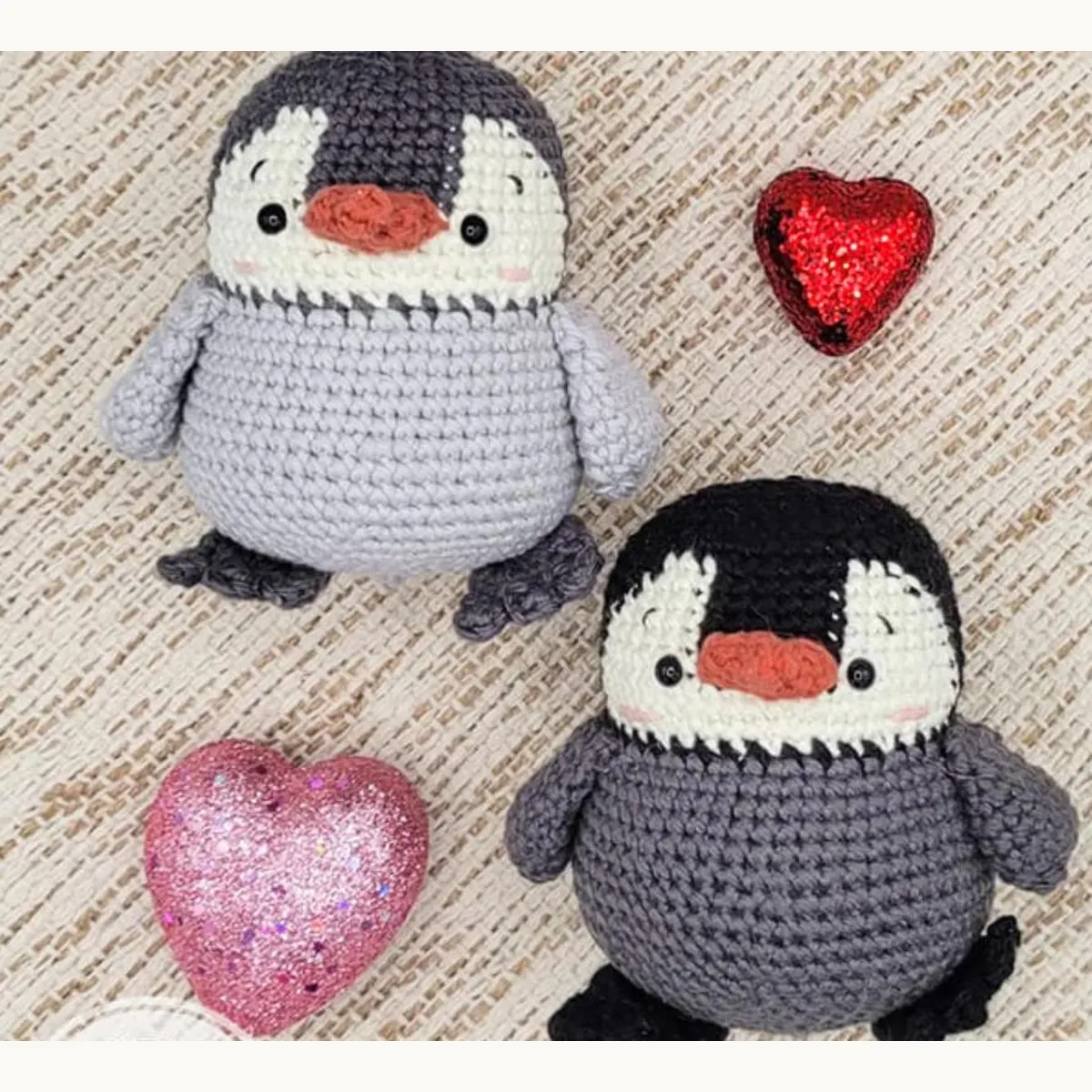
More free crochet tutorials: Explore the Yarnivelle Crochet Blog.
[…] How to Read Crochet Patterns: Abbreviations, Repeats and a Practice Row […]
[…] the designer explicitly calls for that method. Pattern abbreviations vary, so check the legend. Our crochet abbreviation guide explains how to read repeats and end-of-round […]
[…] the crochet keychain patterns collection for mini charms, or read our crochet pattern-reading guide if abbreviations such as sc, inc and sl st are still […]
[…] sweater; each offers a different styling direction. Browse more crochet doll patterns, and review crochet pattern abbreviations before starting a new written […]
[…] Compare animal amigurumi patterns, crochet flowers and plants, and crochet keychains for different gift styles. For a primer on US crochet abbreviations, visit how to read a crochet pattern. […]
[…] sweater, and farm animal crochet pattern collection for different color-placement ideas. The crochet pattern-reading guide explains repeats and color […]
[…] starting with one straightforward design may be less frustrating. Use the magic ring tutorial and the abbreviations guide as learning references before tackling more complex […]
[…] US terms often include ch (chain), sc (single crochet), inc (increase) and dec (decrease). For example, (2 sc, inc) × 6 means work two single crochets then one increase six times. The pattern’s own legend takes priority if it uses different conventions. For more examples, see our crochet abbreviations guide. […]
[…] or browse the full amigurumi animal collection. If you are new to crochet terminology, read how to read crochet patterns […]
[…] flowers and plants collection for more ideas. If you are new to yarn craft abbreviations, see how to read crochet patterns and the free five-petal crochet flower tutorial for basic practice before trying an […]
[…] How to Read Crochet Patterns: Abbreviations, Repeats and a Practice Row […]
[…] and other animals. For additional project variety, browse all amigurumi animal patterns or review our guide to reading crochet patterns before starting unfamiliar […]