
Crochet doll patterns are a lovely next step after learning basic amigurumi. A doll can begin with the same single-crochet rounds used for animals, but clothing, hair and smaller details add choices that are worth planning before you buy yarn. Choosing the right first project helps you enjoy the process instead of wrestling with every separate accessory.
3 essential tips to remember
- Compare body, hair and outfit construction before choosing a doll.
- Keep clothing and body material choices compatible with the design.
- Temporarily position separate details before sewing them down.
This guide explains how to compare patterns, pick materials and make the finishing stage less stressful. See the Yarnivelle crochet doll collection if you want to browse more designs after reading.
Crochet doll patterns: what makes one crochet doll easier than another?
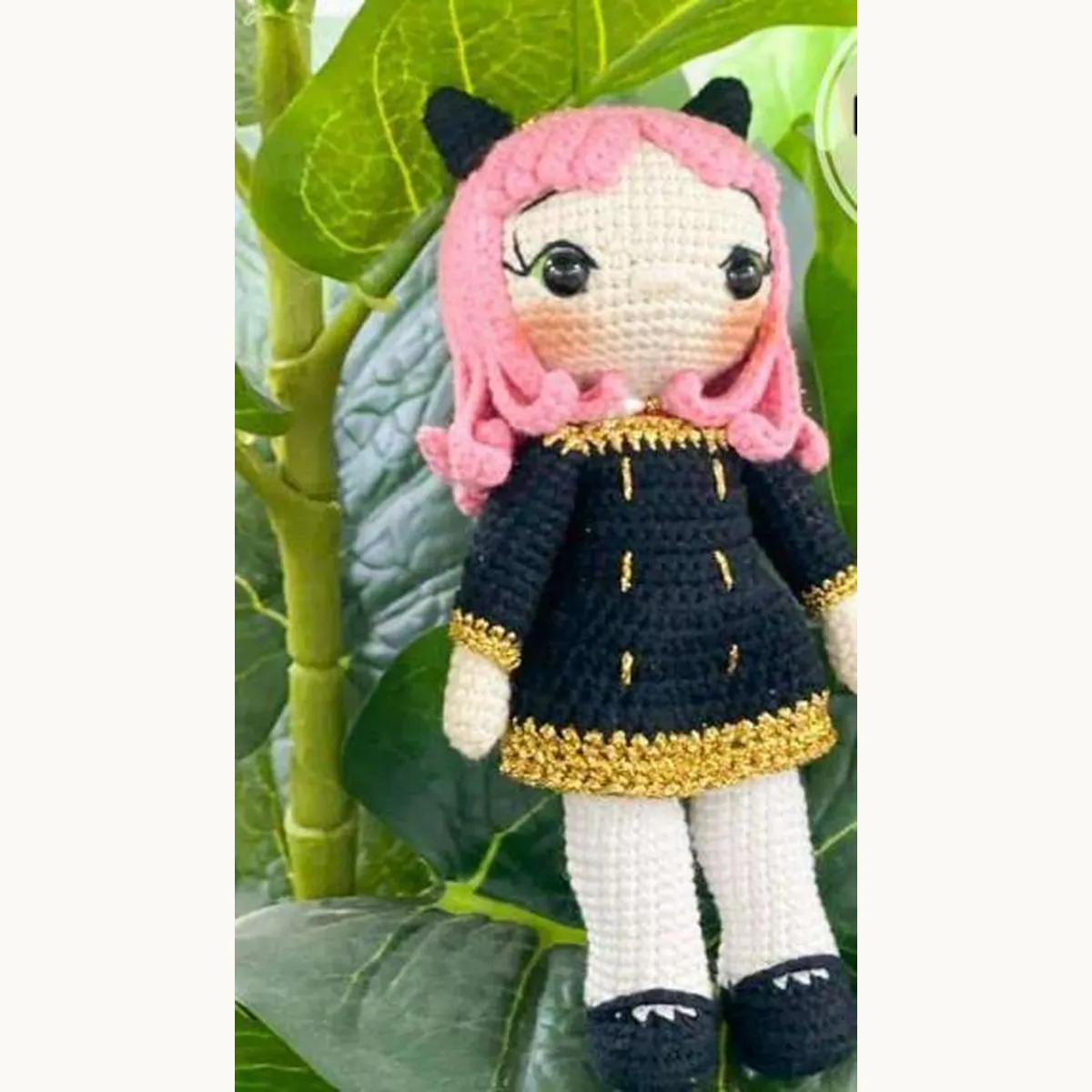
A straightforward doll often has a limited color palette, clearly shaped body parts and a hairstyle with fewer steps. An elaborate character may include several pieces of clothing, decorative details or colorwork. Those features can be fun, but they multiply the number of decisions you need to make. Beginners should look for a design whose materials and required techniques match what they already know.
| What to compare | Simpler option | More detailed option |
|---|---|---|
| Hair | Short, consistent strands or a simple cap | Layers, curls, multiple colors or elaborate styling |
| Clothing | One attached outfit or fewer color changes | Multiple separate garments and accessories |
| Assembly | Larger, easy-to-handle pieces | Many tiny features and narrow joining areas |
| Colors | Two or three coordinated shades | Frequent changes and complex striping |
For inspiration, browse the Doll with Yellow Bow PDF, with a yellow dress, white shoes and decorative bow; the Maya Doll PDF; and the Mini Doll with Colorful Sweater PDF, which features striped clothing and a flower detail. All three are $2.99 individual digital patterns.
Plan your colors before starting
Put all the yarn shades beside one another before crocheting the first round. Ask which colors must match and which can contrast. Repeating one accent color in a bow, shoe or sweater stripe often brings an outfit together. If your pattern requires many changes, keep short labeled yarn lengths or a small color key so you can follow the written rounds without guessing.
If color changes are new to you, study how to change yarn colors cleanly in amigurumi. A small practice swatch is usually quicker than undoing a finished arm or outfit.
Crochet doll hair: plan the length and attachment
Hair is one of the most noticeable parts of a doll. Whether a design uses individual strands, loops, a crocheted cap or shaped curls, consistency matters. For strand-based hair, make a sample section and check its final folded length before cutting a full set. Position the hairline first, then work back in even sections rather than adding all the yarn to one side.
Our crochet doll hair guide covers ways to manage strand length and attachment. Be gentle when combing yarn fibers: different yarns respond differently and some can fray or lose definition.
Get the head, legs and arms balanced
- Work the body sections following the pattern, checking every specified stitch total.
- Mark the doll’s centerline and where the arms should sit before you begin sewing.
- Use a small amount of filling at a time so narrow pieces do not bulge at their openings.
- Position the legs and arms symmetrically, then check whether the doll sits or stands as the design intends.
- Add clothing and decorative details in the order requested by the pattern to avoid hiding attachment points.
The amigurumi counting guide is useful for shaping pieces evenly. For joining, see how to sew amigurumi pieces together before working on visible seams.

Try a doll with a cheerful yellow bow
Explore this downloadable crochet PDF with a yellow dress and white shoes. Its finished look gives you ideas for matching clothing colors and arranging accessories.
How to keep doll details neat
Before securing eyes or stitching a smile, use temporary markers to check placement. A small adjustment can make the face more balanced. For items likely to be handled by children, consider attachment security and age-appropriate materials rather than treating all decorative components as interchangeable. Sew in ends securely and use the construction method given by the individual pattern.
Frequently asked questions
Do I need to know how to crochet clothing? Not for every doll. Some designs include attached clothing or simple color changes; others have separately made garments. Check the listed techniques before purchasing.
Can I use a different hair color? Yes, changing the colors is usually an easy way to personalize a design, though the length and number of pieces should still follow its construction.
Are these finished crochet dolls? No. Yarnivelle sells digital crochet PDF instructions for these listings, not finished dolls, yarn or tools.
Shop the crochet patterns featured in this guide
Each product below is an individual $2.99 downloadable crochet PDF pattern. A finished toy, yarn, stuffing, hook or other supplies are not included.

For general abbreviation and yarn-symbol references, consult the Craft Yarn Council standards. Follow the terminology and stitch instructions in the particular pattern you are using.