
Choosing the best yarn for amigurumi depends on what you want to learn and how you want the finished toy to feel. A tightly crocheted cotton bunny behaves differently from a plush-chenille bear. Before buying yarn, decide whether your main goal is easy stitch counting, a soft finish or a sturdy shape.
3 essential tips to remember
- Compare stitch visibility as well as softness when choosing yarn.
- Test the yarn and hook together in a small sample.
- Keep the yarn label and check yardage as well as ball weight.
Best yarn for amigurumi: cotton yarn: clear stitches and defined shapes
Firm cotton and cotton-blend yarns produce visible stitches that make increases and decreases easier to count. They are useful for small animals, dolls and keychains. Cotton can feel less stretchy than acrylic, so if your hands tire quickly, try a comfortable hook grip and short practice sessions.
For a first project, choose a smooth, medium-weight yarn in a light solid color. Very dark, fuzzy or heavily variegated yarn makes it harder to find the top loops of individual stitches.
Acrylic yarn: accessible and flexible
Acrylic is widely available in many colors and weights. It can work well for amigurumi if the strand is smooth and tightly spun. Softer or loosely spun acrylic may make the finished fabric stretch, especially after stuffing. Instead of assuming one hook size suits every brand, crochet a small sample and look for visible gaps.
Plush and chenille yarn: soft, but harder to count
Blanket-style plush yarn makes larger cuddly projects with a soft surface. Its fuzzy texture conceals stitch tops, which can be frustrating for someone learning a magic ring or invisible decrease. Consider starting with smooth yarn and trying plush after you are comfortable counting rounds by feel.
How to choose a crochet hook
Amigurumi often uses a smaller hook than a yarn label suggests, producing a fabric that holds fiberfill without large gaps. Start around one hook size smaller than the yarn’s general recommendation, then adjust based on the actual fabric. If your stitches become painful to work or excessively stiff, size up slightly.
A quick yarn-selection checklist
- Can you clearly see each stitch in a sample round?
- Does the fabric stay reasonably closed when lightly stretched?
- Does the chosen color show details and embroidery?
- Can you work several rounds without uncomfortable tension?
- Will the finished piece need special care or washing?
If a pattern specifies a particular yarn, treat substitutions as an experiment: changing weight can alter the size, proportions and amount of yarn needed.
Find a project for your yarn
Explore animal amigurumi crochet patterns or compare the shape and scale of a plush puppy PDF pattern with a smaller turtle crochet PDF pattern. For the starting circle, follow our magic ring tutorial before beginning your first toy.
Continue learning
For a related technique or project idea, explore stuffing techniques and choosing a first crochet animal.
Explore crochet PDF patterns from Yarnivelle
Now that you know how different yarns behave, compare these crochet PDFs before choosing your next amigurumi project. Every listing is a digital crochet PDF pattern, not a finished crocheted item or supplies.
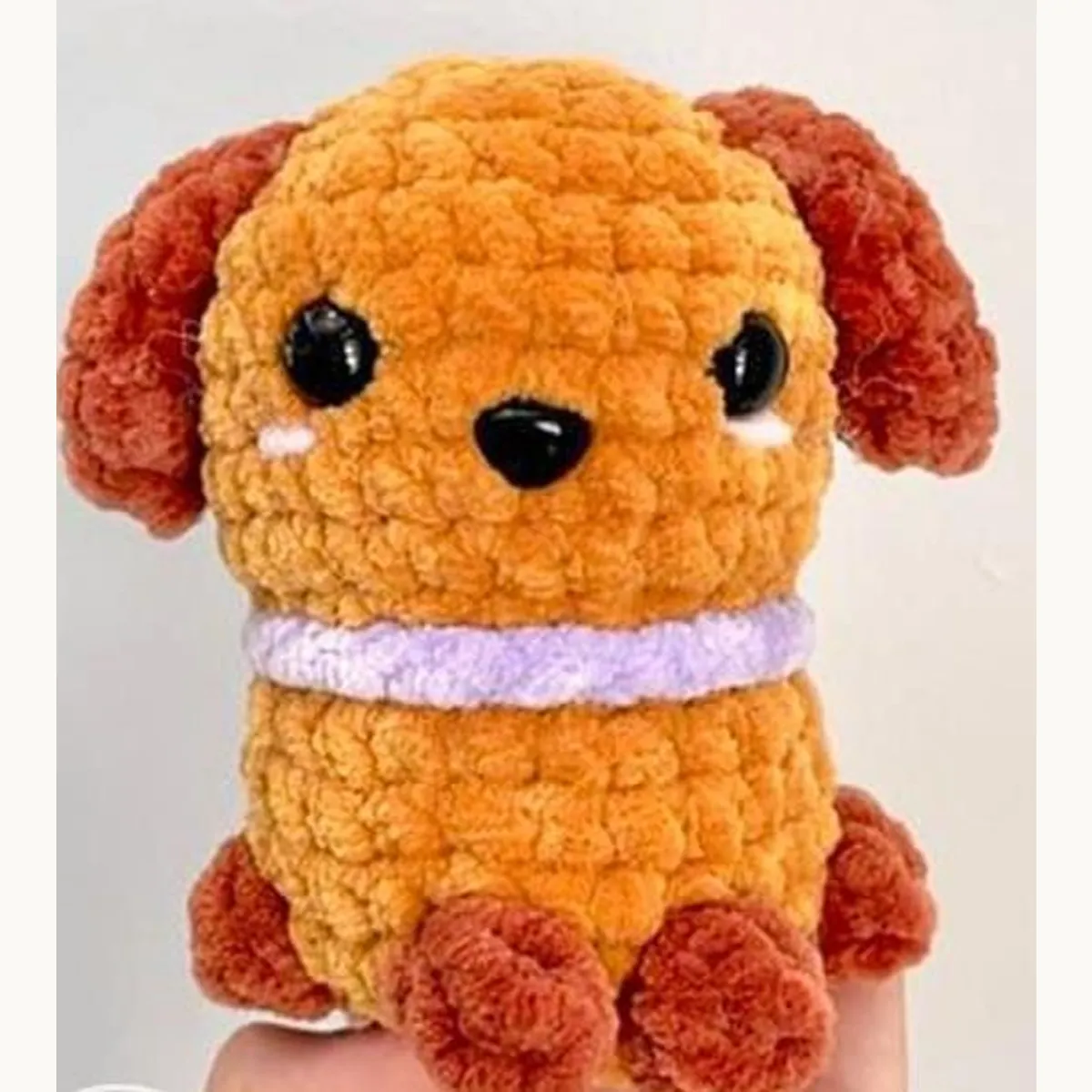

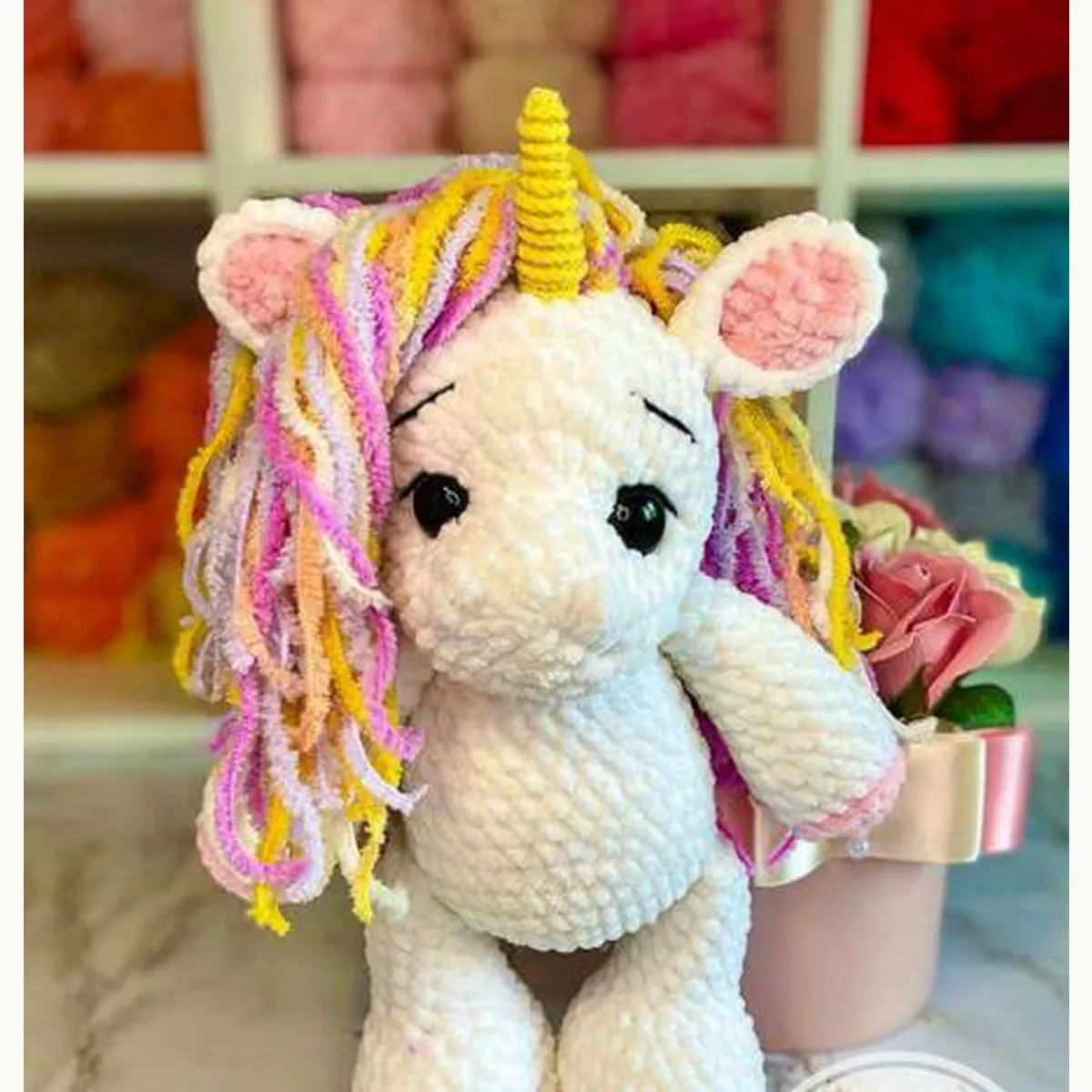
Yarnivelle note: This educational guide is general information, not a substitute for the instructions and materials of any linked pattern. Pattern PDFs are digital products; no crocheted item is shipped.
Test yarn before committing to a full project
Make a small sample using the yarn and hook you plan to use together. Check whether you can identify the stitches, whether the fabric has obvious gaps and whether working a decrease feels comfortable. A yarn that looks appealing in a skein may be difficult to count once it is crocheted. This matters particularly when learning a new shaping technique.
Keep the ball band until the project is finished. Record the fiber, yarn weight, color and dye lot so you can find a close match if you need more. Compare required yardage as well as ball weight: two balls weighing the same amount can contain very different lengths of yarn.
For general abbreviation and yarn-symbol references, consult the Craft Yarn Council standards. Follow the terminology and stitch instructions in the particular pattern you are using.
[…] to count. If you substitute yarn weight, expect the rabbit’s finished size to change. Read our cotton vs acrylic vs plush yarn comparison for the […]
[…] a side-by-side discussion, read cotton vs acrylic vs plush yarn for amigurumi. Your finished bear size may change when you switch yarn weights, so consult the instructions for […]
[…] fibers in our amigurumi yarn guide, and read how to choose a firm hook size. The label on a skein is a starting point, not a guarantee […]
[…] sure where to begin? Compare fibers in our amigurumi yarn guide and check how hook size affects the finished […]
[…] how cotton, acrylic and plush yarn behave when choosing texture. If a darker green hides the stitches, use a lighter practice swatch before […]