
Crochet sea animal patterns are a playful way to practise round shapes, little fins and colorful details. A whale, octopus and dolphin can look like a coordinated collection, but their shapes ask for different skills. Choosing a design that fits your experience is the easiest way to enjoy an ocean-themed crochet project.
3 essential tips to remember
- Read the selected design’s own fin, tail or tentacle construction.
- Compare repeated appendages before joining.
- Check contrast between the main body and smaller details.
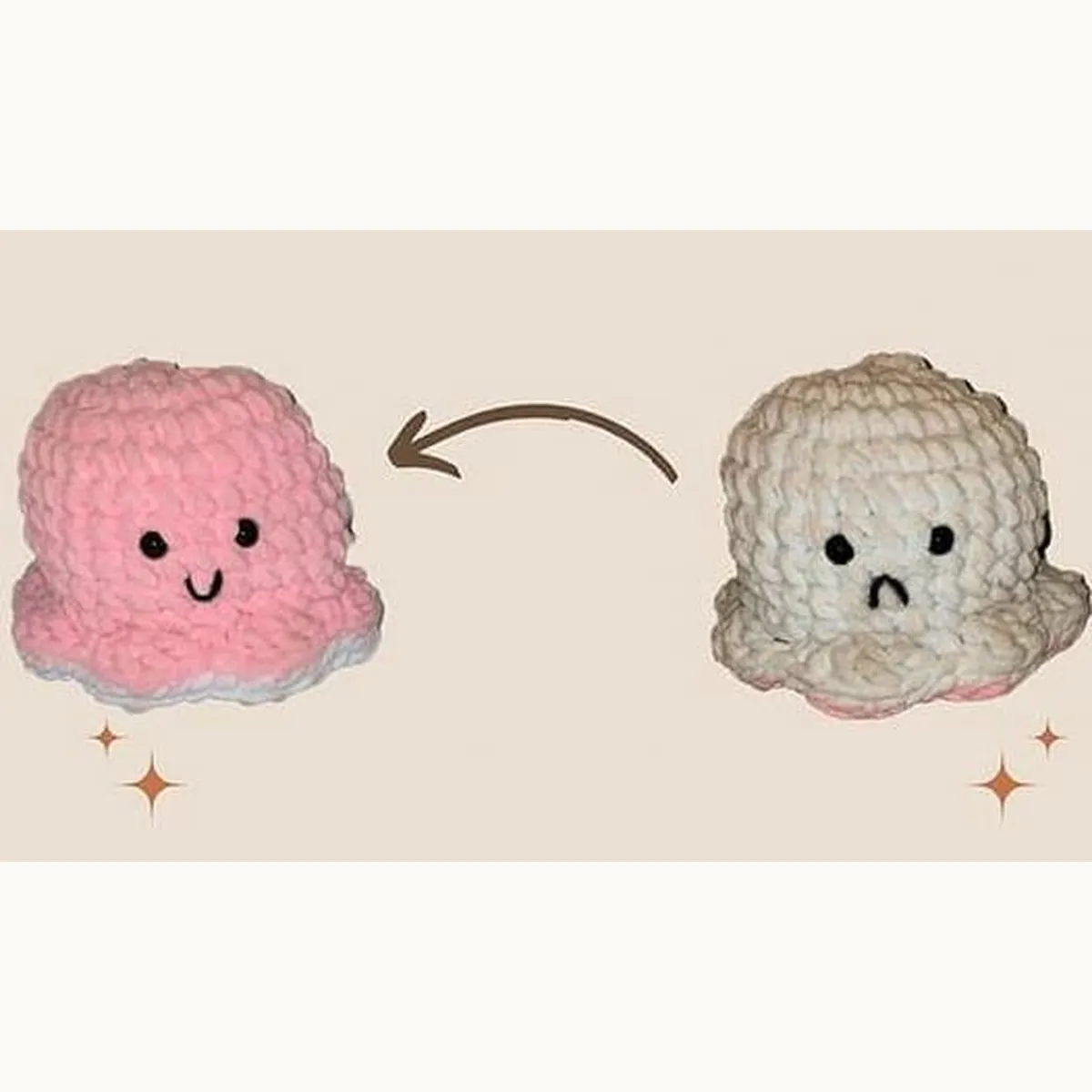
Crochet sea animal patterns: octopus: a rounded head with textured arms
Octopuses are recognizable by their compact bodies and multiple tentacles. Some designs create curling arms from chains and increases; others crochet the tentacles separately before joining them. Before assembly, arrange the arms evenly around the base and check that they fall as the pattern intends. See the plush octopus crochet PDF for a project option.
Whale: focus on the fins and tail
A miniature whale often starts with a simple rounded shape and becomes recognizable through side fins and its tail. Mark both fin locations before sewing and compare the symmetry from above. For a whimsical version, browse the mini whale with hat and scarf crochet pattern.
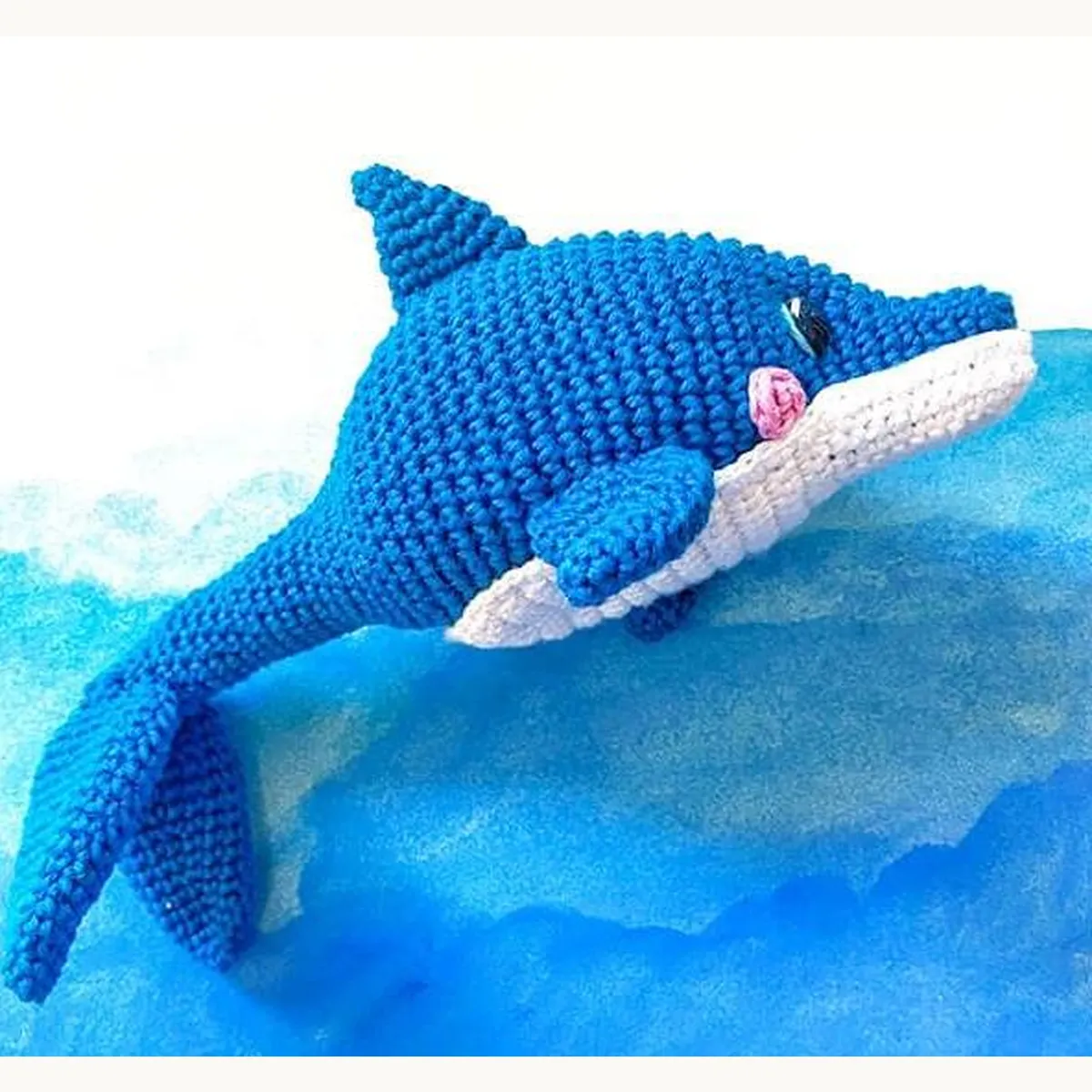
Dolphin: shaping matters
A dolphin silhouette typically relies on a curved back, an elongated snout and a dorsal fin. These shapes can be more demanding than a round whale, so they make sense after you are comfortable counting increases and decreases. Stuff gently along a curve rather than packing a long body all at once.
Yarn and color ideas
Soft blue, teal, lavender and cream make an understated ocean display. Coral or mustard creates a brighter accent. Use smooth yarn when learning to count curved rounds, and keep the same hook size for matching pieces unless the individual pattern instructs otherwise.
Finishing your sea creatures
- Check the correct orientation of fins before securing them.
- Use stitch markers for symmetrical placements.
- Stuff in small amounts and avoid stretching the fabric.
- Secure sewn-on pieces and any yarn tails.
- Choose age-appropriate finishing materials; a PDF is not a safety certification.
Explore more underwater makes
Browse Yarnivelle’s ocean crochet collection. See our guide to sewing amigurumi parts and stuffing tips before assembling curved shapes.
Explore crochet PDF patterns from Yarnivelle
Make an underwater character next. Explore these digital octopus, dolphin and whale crochet patterns. Every listing is a digital crochet PDF pattern, not a finished crocheted item or supplies.

Yarnivelle note: These educational suggestions supplement, not replace, each pattern’s instructions. Linked products are digital crochet PDFs, not finished items or supplies.
Compare the shaping before choosing a sea animal
A whale, dolphin and octopus each present different assembly decisions. Look at the selected PDF’s construction details rather than assuming all sea animals are worked in the same way. Fins, tentacles and tails need to be placed according to that particular design.
When attaching matching fins, mark both positions before sewing. Check the project from above and from the front so that the pair sits evenly. For repeated tentacles, record the stitch counts and any changes you make; consistent tension helps the parts look related without needing to be perfectly identical.
Choose colors that show the details
Compare the main body shade with smaller accents in natural light. Very similar colors can hide the mouth, fin edge or underside. A smooth practice yarn can make unfamiliar stitches easier to see before you move to a textured version. Changes in yarn and hook size affect the finished proportions, so treat the selected pattern as the starting point for your materials.
For general abbreviation and yarn-symbol references, consult the Craft Yarn Council standards. Follow the terminology and stitch instructions in the particular pattern you are using.